Caribbean Food Centennial: The Story of 100 Delicious Years

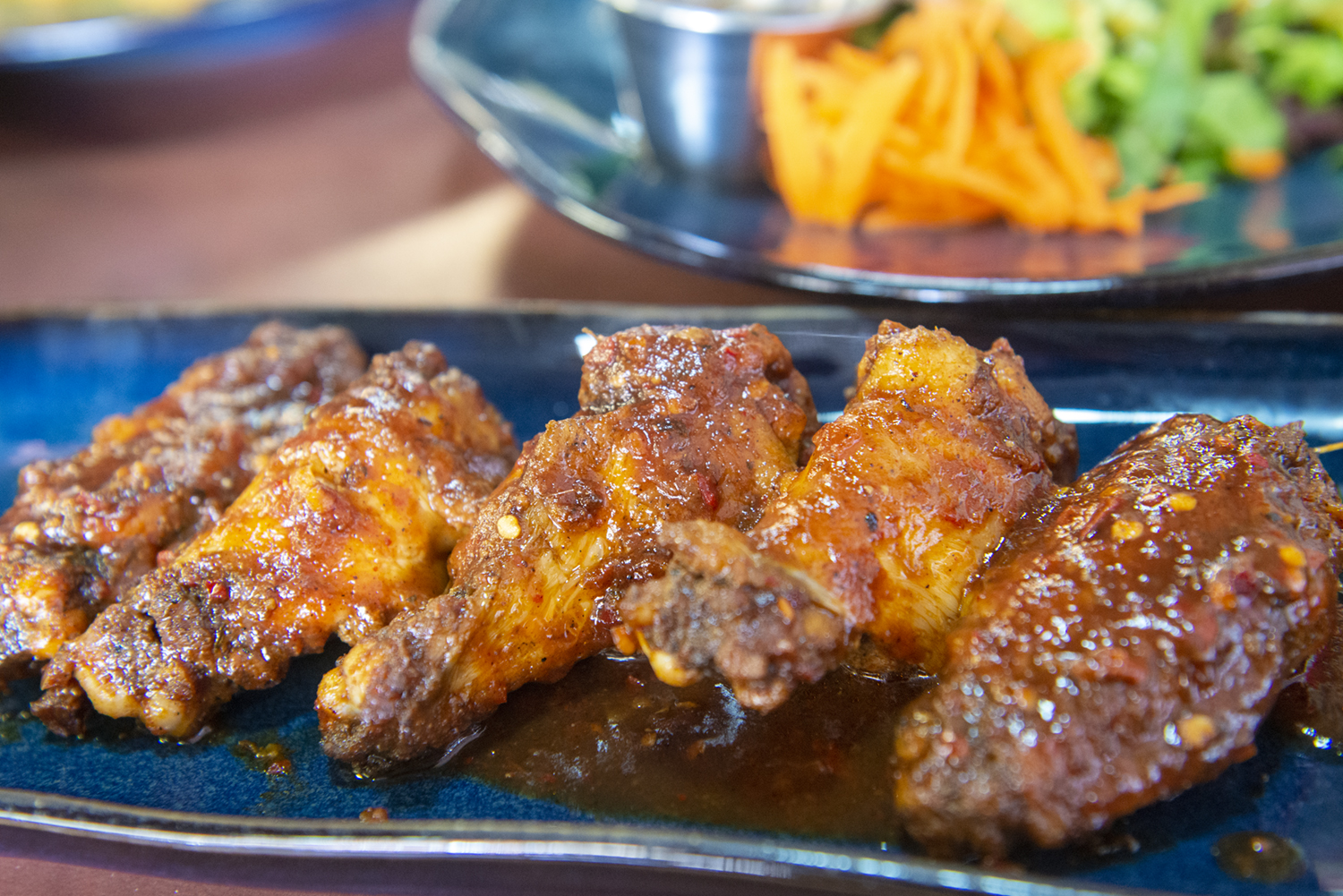
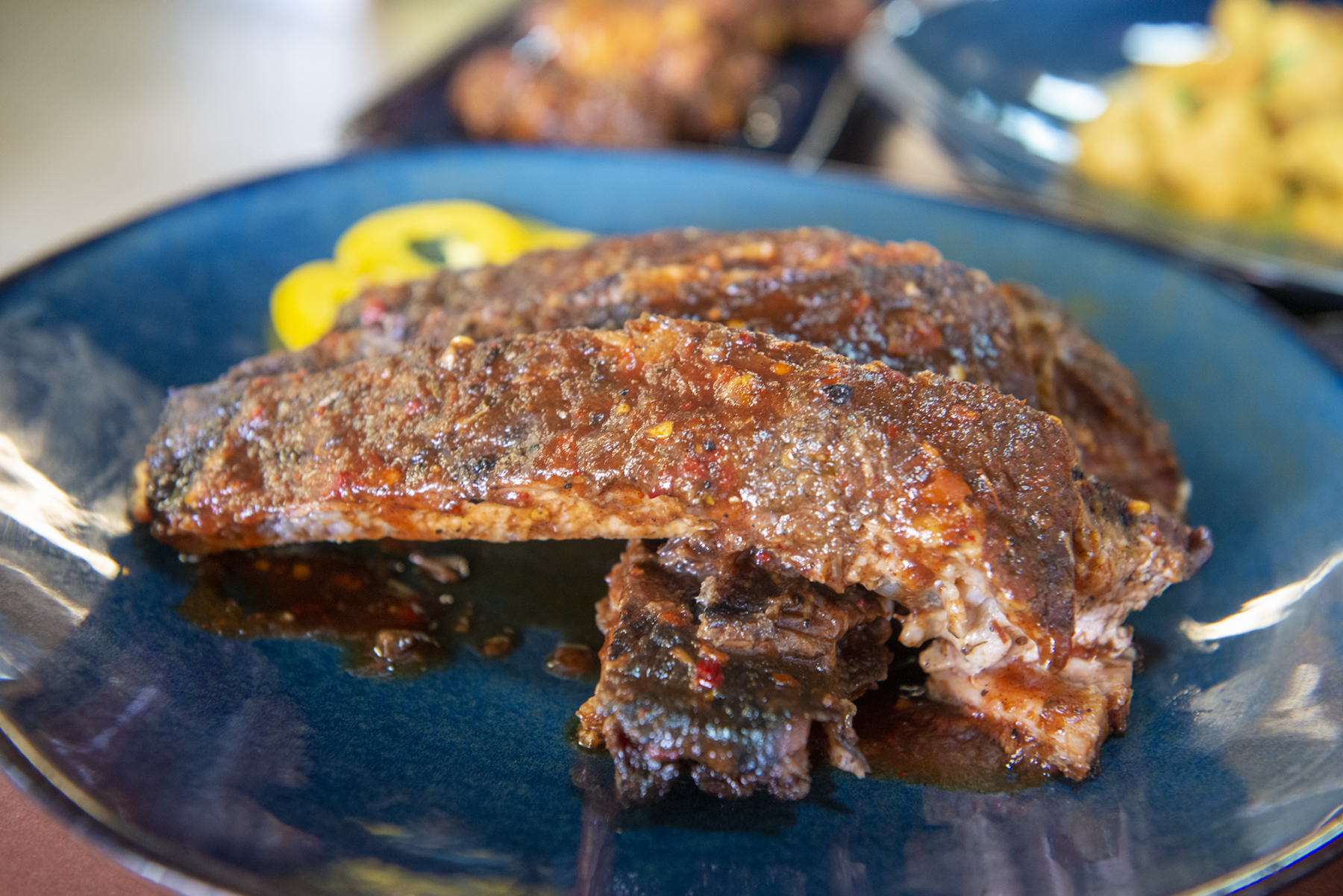
A century is a useful span for understanding food. It is long enough to watch recipes travel, adapt, disappear, and return. It is short enough that the changes still feel personal, still tied to grandparents, market stalls, handwritten notebooks, and the memory of what a pot should smell like just before it is ready. When people talk about a caribbean food centennial, they are really talking about a hundred years of movement. People moved under pressure, by choice, for work, for trade, because storms or politics forced a change. Ingredients moved with them. So did cravings, habits, and pride.
Caribbean food has never been one thing. That is the first point worth stating clearly. The region contains many islands, several languages, and a long history of Indigenous knowledge, African survival and creativity, European colonial influence, Indian indentureship, Chinese migration, Levantine trading networks, and constant exchange with North, Central, and South America. The result is a cuisine that resists flattening. It can be smoky and peppery, delicate and herbaceous, deeply stewed, sharply pickled, coconut-rich, cassava-rooted, or salt-cod practical. It can look festive on a holiday table and austere on a weekday plate, because Caribbean cooking has always balanced celebration with necessity.
If you step back and look across the last hundred years, a pattern appears. The great story is not novelty for novelty’s sake. It is continuity under pressure. The best dishes endure because they answer real needs. They feed large families. They preserve scarce ingredients. They stretch flavor from bones, peels, greens, and scraps. They turn imported staples into local identity. They also create joy, which matters just as much.
A region shaped by contact, not isolation
It is tempting to imagine island cuisines as sealed ecosystems, each one self-contained and unchanged until tourism arrived. That picture is false. Caribbean foodways have always been porous. Boats carried salted fish, sugar, rum, rice, flour, spices, and stories. Markets spread techniques faster than any cookbook could. Families passed recipes between islands through marriage and work. Even when political borders were firm, kitchen borders were loose.
Over the last hundred years, this exchange intensified. The early twentieth century saw greater urbanization in places like Kingston, Havana, Port of Spain, San Juan, and Santo Domingo. Rural food traditions did not vanish, but they met city rhythms. Coal pots and wood fires remained important in many homes, yet city cooks also learned to improvise with limited space, different fuel, and less time. That pressure changed texture and timing more than it changed identity. A stew might be cooked in a different pot, but its logic remained the same. Build a base. Season patiently. Let starch and protein support each other. Respect heat, acid, and herbs.
Colonial trade patterns also left durable marks. Salt cod, for example, became so familiar in many Caribbean kitchens that outsiders often assume it must be native. It is not. Its place on the table came from trade and preservation. Yet once it entered local cooking, it became fully woven into regional taste. The same is true of wheat flour in some breads and bakes, of tinned milk in desserts, and of rice varieties that took root in everyday meals. Caribbean cuisine has always known how to claim borrowed ingredients without surrendering its voice.
The pantry of survival became the pantry of identity
Many of the foods now celebrated at festivals or restaurant openings began as practical answers to scarcity. That is common in culinary history, but in the Caribbean the transformation is especially vivid.
Root crops such as cassava, yam, sweet potato, and dasheen remained central because they were hardy, filling, and versatile. Green bananas and plantains served the same role, moving easily between savory and sweet. Rice grew in importance in some places because it was economical, dependable, and adaptable to beans, peas, stews, and gravies. Coconut, where abundant, became milk, oil, grated flesh, sweet filling, and savory body. Salted and smoked proteins lasted when refrigeration was limited. Pepper sauces and spice pastes did more than deliver heat. They preserved, sharpened, and covered the occasional rough edge of necessity.
The genius of Caribbean food lies in how it turns that necessity into abundance. A pot of rice and peas, properly made, is not a compromise meal. It is fragrant with thyme, scallion, coconut milk in many versions, allspice in some, and the quiet authority of a cook who knows exactly when to let the grains steam undisturbed. A bowl of callaloo can be humble or elaborate, depending on what enters the pot, but its identity comes from the greens and the cook’s hand, not from price. A fish rundown, an oil down, a pepperpot, a pelau, a sancocho, a cou-cou with flying fish, a plate of fungi and saltfish, a roti wrapped around curried filling, all of these dishes carry memory because they were built to last.
Anyone who has spent time in Caribbean home kitchens learns quickly that exact measurements often matter less than sensory judgment. You listen for the fry of onions hitting hot oil. You watch the color of browning sugar before it crosses from deep caramel into bitterness. You smell when garlic has softened enough to lose its harshness but not enough to disappear. This kind of cooking survives a century because it lives in the body, not only on the page.
The long reach of African, Indian, Indigenous, and Creole traditions
A serious look at a caribbean food centennial has to give proper weight to the people whose labor and intelligence shaped the cuisine most deeply. African culinary traditions, carried through atrocity and remade under slavery and its aftermath, sit at the center of many Caribbean kitchens. The use of okra, one-pot cooking, fritters, greens, rice dishes, and layered seasoning methods reflects that inheritance in ways both obvious and subtle. The Caribbean table would be unrecognizable without it.
Indigenous influence runs even deeper in some cases, though it is too often under-credited. Cassava bread, pepperpot traditions, methods of processing bitter cassava safely, and an understanding of local plants and marine resources all point to knowledge that predates colonial rule. These practices did not vanish. They persisted, sometimes quietly, sometimes in full view.
Indian indentured laborers, arriving in the nineteenth and early twentieth centuries, transformed the flavor map of places such as Trinidad and Guyana. Curry techniques, spice blending, roti culture, chutneys, and snacks built around split peas, chickpeas, tamarind, and fried dough became indispensable. If you want a clear example of Caribbean adaptation, look at doubles. It is local genius in edible form. The bara is soft, the channa is seasoned with confidence, and the whole thing is designed for appetite, speed, and pleasure. It honors Indian influence while belonging entirely to the Caribbean street.
Chinese and Middle Eastern migrants also left distinct marks, especially in urban eating and retail trade. Soy sauces, stir-fry methods, chow mein variations, bakery culture, and commercial food networks broadened what was available and how it was sold. By the late twentieth century, a Caribbean takeout menu in some places could move easily from fried chicken to lo mein to curried goat without anyone finding that contradictory. That is not confusion. It is history on a plate.
What changed between the 1920s and now
A hundred years of Caribbean food includes some dramatic shifts, even when the core remains familiar. One of the biggest changes is refrigeration and storage. Earlier generations had to cook, salt, dry, pickle, or sell ingredients quickly. That reality encouraged preservation methods and daily shopping habits that shaped flavor. With refrigerators and freezers becoming more common over time, menus expanded. Meat and fish handling changed. Leftovers became easier to manage. Desserts and drinks changed too, because chilled textures became more available in ordinary homes.
Transportation also altered taste. Air freight, larger ports, and better roads made imported goods more accessible, even on islands where cost still remains a serious issue. That had a double effect. On one hand, cooks gained options, from apples and grapes for special occasions to packaged seasonings and restaurant supplies. On the other hand, imported food sometimes displaced local staples, especially when policy and pricing favored foreign goods over domestic farming. That tension remains unresolved in many parts of the region.
Tourism introduced another layer. Hotel dining often promoted a polished, simplified version of “island food” for visitors. Sometimes that helped preserve and market local dishes. Sometimes it sanded away complexity. Jerk, for instance, can suffer badly when treated as a generic sweet-spicy glaze rather than a method and flavor tradition rooted in smoke, pimento, heat, and time. The same flattening can happen with rum cake, conch fritters, curry, or escovitch. A cuisine shaped by many peoples becomes a brochure image if no one pushes back.
Yet tourism also created pride and opportunity. Talented cooks opened restaurants, catered events, and presented family recipes to wider audiences. Diaspora demand strengthened that cycle. A Jamaican patty shop in London, a Trinidadian doubles vendor in Brooklyn, a Guyanese bakery in Toronto, a Cuban cafeteria in Miami, these businesses do more than sell food. They caribbean food centennial preserve standards. Customers know when the crust is wrong, when the pepper is too timid, when the cassareep has been replaced by something faster but flatter. Diaspora communities can be unforgiving in the best possible way.
Dishes that tell the century’s story
Certain foods capture the whole arc of Caribbean culinary history because they sit at the meeting point of trade, labor, geography, and memory.
Jerk stands near the top of that list. Its roots lie in preservation, marination, smoke, and the use of pimento wood and Scotch bonnet peppers. Over the last century, jerk moved from localized practice to global shorthand for Jamaican flavor. That success is deserved, but it comes with risk. In many export versions, the smoke is missing, the heat is softened, and the seasoning turns sugary. Real jerk asks for patience. It rewards cooks who understand fire management as much as spice balance.
Rice-based dishes tell another part of the story. Pelau in Trinidad and Tobago, cook-up rice in Guyana, rice and peas in Jamaica, moro in the Spanish-speaking Caribbean, all show how grain, legumes, and whatever protein is available can form a complete meal with personality. These are not generic “rice dishes.” They are regional signatures, and small differences matter. A cook’s choice of browning, coconut milk, fresh herbs, stock depth, and pepper handling changes the final character completely.
Soup deserves more respect in this conversation. Across the Caribbean, soups do heavy cultural work. They fortify, recover, stretch ingredients, and bring people together. Saturday soups in some households are practically civic events. A good soup is not simply liquid with solids floating in it. It should have body, sequence, and smell. Dumplings must hold without becoming leaden. Ground provisions must soften without dissolving into paste. Meat must flavor the broth even if used sparingly.
Then there are the fried and baked snacks that sustain a region between formal meals. Patties, bakes, pholourie, accras, alcapurrias, pastelillos, saltfish fritters, coconut drops, cassava pone, black cake at Christmas. These foods reveal something important. Caribbean cuisine is often discussed through grand holiday spreads, but daily pleasure lives in smaller portions, sold through bakeries, roadside stalls, school canteens, and family kitchens. The century was built there too.
The Christmas table, the market stall, the roadside drum
If there is one time of year when the last hundred years of Caribbean food become visible all at once, it is the holiday season. Christmas cooking in the Caribbean is not uniform, but it shares a sense of abundance hard-won and deeply appreciated. Sorrel appears. Black cake is soaked and guarded. Ham is glazed. Pastelles are folded, or whatever the local equivalent may be. Ginger beer, ponche de crème, rum punch, roasted meats, stewed meats, festive breads, relishes, and sweets crowd the counter.
What matters is not only the menu. It is the labor structure behind it. Somebody grates, somebody washes leaves, somebody checks raisins, somebody tastes the drink, somebody says the pot needs more thyme. The work is communal, and this is one reason recipes survive. Not through formal archiving alone, but through repeated seasonal assembly.
Markets tell a parallel story. You can learn more in one careful walk through a strong Caribbean market than in hours of abstract discussion. The market reveals what is thriving, what is expensive, what has become scarce, and what people still value enough to buy despite the cost. It also reveals the regional argument between convenience and freshness. A woman choosing bunches of callaloo by touch is making a different calculation from someone buying a packaged seasoning blend. Neither is automatically wrong. Time, income, and access shape these decisions. But the market still acts as a living record of continuity.
Roadside cooking deserves equal attention. Jerk drums, soup vendors, corn sellers, fry fish stands, bake and shark counters, mobile coolers packed with homemade sweets or drinks, these are not peripheral to Caribbean food culture. They are central. The roadside is where technique gets tested in public. Food has to survive weather, smoke, rushes, and regulars with sharp opinions. It also has to sell. That commercial pressure often sharpens quality more effectively than prestige does.
The modern Caribbean kitchen, between pride and pressure
Over the past few decades, Caribbean cooks have had to navigate a difficult set of pressures. Imported processed foods are widely marketed and often easier to prepare after a long workday. At the same time, local ingredients can be expensive, seasonal, or vulnerable to storm damage and supply disruptions. Younger cooks may inherit taste memory without inheriting technique, especially if migration separated families or changed household routines.
That does not mean tradition is fading into sentiment. In many places, it is being actively reworked. Younger chefs and home cooks are reviving bush teas, forgotten starches, old preservation methods, and local varieties of produce. Some are doing that in fine dining rooms. Others are doing it on social media, at community events, or through small food businesses that serve the neighborhood first. The strongest work usually avoids museum thinking. It does not preserve food by freezing it in time. It preserves food by cooking it well enough that people want to keep eating it.
There are a few real tensions worth naming plainly:
- authenticity versus adaptation
- local agriculture versus imported convenience
- restaurant presentation versus home-style generosity
- export-friendly flavor profiles versus full regional intensity
- heritage pride versus the economic reality of daily cooking
None of these tensions is new, but they feel sharper now because Caribbean food is more visible globally than ever before. Visibility helps, but it also invites simplification. A dish photographed well for an international audience may reggaepotjamaicangrill.com caribbean food centennial still miss the soul that makes people line up for it at home.
Why the next hundred years will depend on farmers as much as chefs
Food culture is not sustained by recipes alone. It depends on land, sea, labor, and policy. If local fisheries decline, if storms repeatedly damage crops, if young people cannot afford to farm, then the future of Caribbean food narrows no matter how talented the cooks may be. Climate pressure is already shaping what reaches the pot. Drought, stronger hurricanes, soil strain, and coastal change are not abstract concerns for this region.
That is why any honest conversation about a caribbean food centennial has to include agriculture and resilience. Breadfruit, cassava, sweet potato, pigeon peas, local fruits, hot peppers, herbs, and sustainable fishing practices are not nostalgic talking points. They are strategic assets. The more a region can value and support its own food systems, the more freedom it has to keep cooking in its own voice.
At the same time, innovation has a place. Better cold chains reduce waste. Smarter irrigation helps farmers stay productive. Culinary schools, community gardens, and regional food festivals can strengthen knowledge transfer. The danger lies in treating imported solutions as inherently superior to local wisdom. The Caribbean has been adapting for centuries. It does not need to be taught flexibility. It needs investment that respects what already works.
What a century tastes like
If you had to compress the last hundred years of Caribbean food into a single sensory memory, it might sound impossible. The region is too varied. Yet certain elements recur so often that they feel almost like a shared vocabulary. Smoke from pimento wood or charcoal. Thyme bruised between fingers. Scallion and onion sweating in hot fat. Coconut milk thickening a pot. Scotch bonnet heat arriving a second after the first bite. Brown sugar pushed to the edge of bitterness, then rescued by stock. Lime over fish. Nutmeg in something sweet. Cassava in one form or another. Salt handled with respect, because preserved foods taught earlier generations what enough truly means.
Most of all, a century tastes like confidence born from repetition. Caribbean cooks do not need elaborate explanation for why a dish matters. They know because they have fed people with it. They have watched children refuse vegetables until those vegetables appeared in fritters, stews, or rice. They have seen a table go quiet when the seasoning is exactly right. They have learned that one extra minute can ruin a fried item and ten extra minutes can redeem a stew.
That is the real story of these hundred delicious years. Caribbean food endured because it remained useful, beautiful, and emotionally exact. It absorbed migrations without losing itself. It made room for trade goods while honoring the ground beneath them. It converted hardship into craft and craft into identity. A century later, the proof is not found only in glossy menus or cultural essays. It is in the cook who still tastes the pot before serving, pauses, adds a little fresh thyme, and knows from experience that this is what will make the meal complete.
Reggae Pot Jamaican Grill
Address: 7562 S University Blvd Unit C, Centennial, CO 80122
Phone: (303) 997-5623
FAQ About caribbean food centennial
What Jamaican dishes can I try in Centennial?
Reggae Pot Jamaican Grill serves Jamaican specialties such as jerk chicken, stewed oxtail, curry goat, and ackee and saltfish. Check the current menu for availability.
What is ackee and saltfish?
It is Jamaica’s national dish. The restaurant prepares ackee with salted cod, onions, thyme, tomatoes, garlic, black pepper, and pimento.
Can I order Jamaican food for pickup in Centennial?
Yes. Choose the Centennial location at 7562 S University Blvd Unit C when placing a takeout order.