Caribbean Food Centennial: The Flavors That Defined Generations

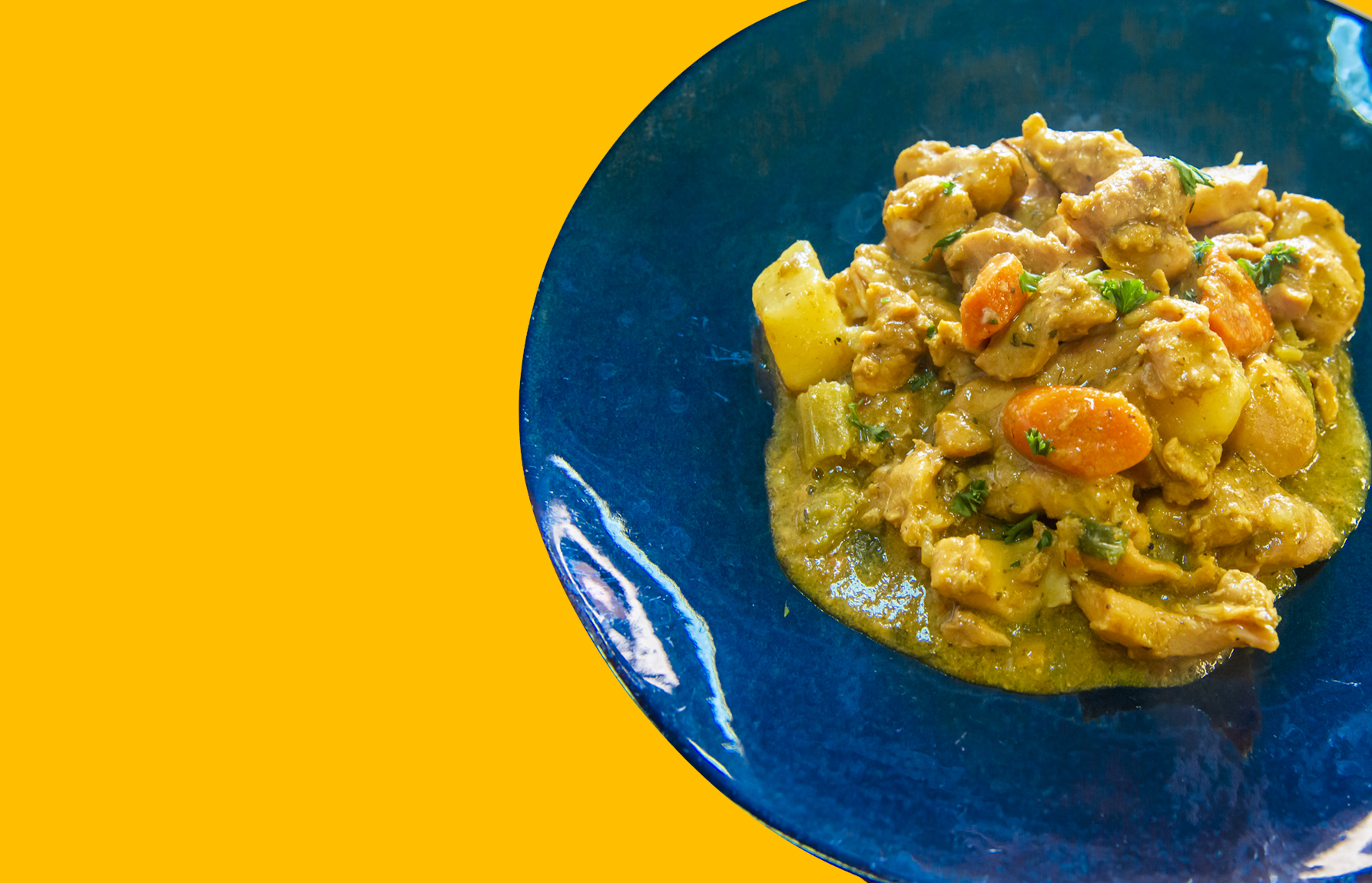
A century is a long time in any kitchen. It is long enough for ingredients to cross oceans, for hard times to change portions and methods, for one generation to cook from memory and the next to cook from instinct. It is long enough for a food tradition to become not just a cuisine but a record of movement, survival, trade, pride, and adaptation. A true look at a Caribbean food centennial is not simply a nostalgic survey of beloved dishes. It is a way of tracing how ordinary meals became cultural anchors, how market produce and imported staples met in the same pot, and how flavor itself became a form of continuity.
The Caribbean has never been one table with one menu. It is a region of islands and coastal histories shaped by Indigenous knowledge, African foodways, European colonial rule, Asian indentured labor, migration within the region, and the pressures of tourism and export economies. Yet for all that variation, there are recognizable threads. Pepper and thyme. Rice and peas. Green banana and root vegetables. Saltfish, coconut, allspice, cassava, pigeon peas, Scotch bonnet, plantain, curry leaf, sorrel, fresh lime. Slow braises, stews, one-pot dishes, street snacks, festival foods, Sunday meals. The result is a cuisine that carries memory in every layer.
Over the last hundred years, some flavors have stayed remarkably stable while others have shifted with availability, income, and taste. A grandmother making callaloo in the 1940s may have used what was growing behind the house. Her grandchild in the 1990s may have bought bunches at an urban market. Today, a descendant in Toronto, London, or Brooklyn may use spinach when proper dasheen bush is unavailable, adjust the pepper for a mixed household, and still insist it tastes like home. That is not dilution. Often, it is how traditions survive.
What a century tastes like in the Caribbean
When people talk about heritage cuisine, they often reach too quickly for the festive and ceremonial. Those foods matter, but the daily table tells the deeper story. Over the last hundred years, Caribbean cooking has been defined as much by practical intelligence as by celebration. Cooks learned to build flavor from what was at hand, to preserve protein when refrigeration was limited, to stretch ingredients without making meals feel meager, and to season assertively enough that every bite felt intentional.
Saltfish is one obvious example. It became foundational not because anyone believed imported salted cod was more noble than fresh fish from local waters, but because it was cheap, durable, and available through colonial trade routes. Over time it moved from necessity to preference. Ackee and saltfish in Jamaica, buljol in Trinidad and Tobago, saltfish fritters across several islands, stewed saltfish with tomatoes, onions, and peppers in many homes, these are not relics. They remain alive because cooks transformed a preserved commodity into something bright and deeply local.
The same is true for rice and peas, though even that phrase changes by island. In Jamaica it usually means rice cooked with kidney beans or gungo peas, coconut milk, thyme, scallion, and Scotch bonnet. In other places, peas can mean pigeon peas, black-eyed peas, or any number of legumes. What matters is the structure of the dish: starch, pulse, aromatics, often coconut, cooked together until the grains absorb more than moisture. They absorb personality.
For anyone studying a Caribbean food centennial, this is one of the clearest lessons. Dishes endure not because they are static, but because they are flexible within understood boundaries. A serious cook knows where improvisation is welcome and where it breaks the identity of the dish.
The old backbone: ground provisions, stews, and one-pot logic
Long before contemporary conversations about farm-to-table or seasonal cooking, Caribbean households relied on systems that modern chefs would recognize immediately. Grow what you can. Buy what is fresh. Waste little. Use the whole ingredient. Cook in ways that feed many. Layer spices early. Stretch expensive proteins with starches, greens, legumes, and broth. These are not romantic ideas. They were working methods.
Ground provisions, the regional term used for starchy staples like yam, cassava, eddoes, dasheen, sweet potato, and green banana, formed the backbone of countless meals. They filled the stomach, supported field labor, and paired well with broths and salted meat. Soup Saturdays, still beloved in many islands and diasporic homes, show this logic perfectly. A proper soup might include split peas or yellow yam, dumplings, pumpkin, green fig, pigtail or beef, celery, thyme, onion, and pepper. The point is not refinement in the French sense. The point is completeness. A bowl like that can carry a household through the day.
Stews operate in a similar way. Brown stew chicken, stew peas, oxtail, curry goat, pelau, oil down, mannish water, pepperpot, souse, rundown, each dish reflects a slightly different geography and history, but the principle is familiar. Build the base. Season deeply. Cook patiently. Let time do part of the work. That slow cooking tradition matters because Caribbean food is often misread by outsiders as simply “spicy” or “bold.” The better description is developed. The flavor is built in stages, often with fresh herbs, toasted spices, caramelized sugar, cured meats, and the gradual release of starch into liquid.
In older kitchens, the heavy pot itself was part of the technique. Cast iron and aluminum retained heat in ways that rewarded patience and punished distraction. Ask anyone who learned to make pelau under supervision and they will tell you that the moment the sugar reaches the right darkness is not something easily captured by a recipe line. It is sensory knowledge: color, smell, timing, confidence. A few seconds too far and the bitterness stays in the dish. A few seconds too early and the depth is missing. That kind of knowledge defines generations more than any written cookbook can.
African roots, Indigenous knowledge, and the long memory of ingredients
No serious account of Caribbean food over the past century can ignore older roots. Much of what people now consider classic Caribbean cooking rests on combinations shaped by African technique and Indigenous ingredients. Okra, callaloo traditions, one-pot rice cookery, fritters, pounded starches, leafy greens, pepper use, smoking, stewing, and intensive seasoning all bear the marks of movement under terrible conditions and remarkable resilience afterward.
Cassava is a powerful example. Indigenous peoples across the Caribbean processed bitter cassava into safe, usable forms long before colonization. That knowledge did not vanish. It persisted in cassava bread, farine, bammy, and related preparations. These foods rarely get the same glamorous attention as jerk or curry, yet they are central to understanding continuity. They are practical, durable, and linked to place in a way imported wheat bread never fully was.
Likewise, callaloo is not one dish with a fixed formula. It can refer to different leafy plants and different regional expressions. In Trinidad, callaloo often becomes a velvety preparation with dasheen bush, okra, coconut milk, aromatics, and sometimes crab. In Jamaica, callaloo is more commonly sautéed as a leafy green. The shared name points to a shared lineage, but the results differ. That is characteristic of Caribbean food. Unity comes through method and sensibility as much as through exact replication.
For cooks who grew up around these foods, authenticity is rarely as rigid as food media suggests. What people defend fiercely is not sameness. It is respect. Respect the base ingredient. Respect the sequence. Respect the balance between heat, salt, herb, acid, and texture. Respect the elders who taught you how to tell when the pot is ready.
The Indian imprint and the spice routes of memory
Any centennial survey that stops at Creole food tells only part of the story. Over the last hundred years, the Indian presence in Trinidad and Tobago, Guyana, Suriname, and beyond has profoundly shaped the region’s palate. Curry is now so integrated into Caribbean cooking that many people outside the region do not realize how distinct Caribbean curry traditions are from their South Asian ancestors.
Take curry goat. On paper, the ingredients can look familiar: curry powder, garlic, onion, ginger in some households, cumin, coriander, turmeric, hot pepper. But the handling is Caribbean. The marination may be longer. Green seasoning may enter the mix. The meat may be “burnt” with the curry powder in oil before liquid is added. The final dish sits comfortably beside rice, roti, provision, or bread. It belongs fully to the region.
Roti deserves special attention because it represents one of the Caribbean’s great edible adaptations. In Trinidad, Guyana, and diasporic communities, roti is not merely bread. It is a category of meals, a lunch economy, a family ritual, and a memory trigger. Buss up shut, dhalpuri, sada roti, paratha styles, all show technical skill and local evolution. Wrapped around curried channa and aloo, goat, chicken, pumpkin, or shrimp, roti became one of the most practical and beloved forms of portable comfort food in the Caribbean.
What changed across the century was not just the food itself but who made it and where. Once largely tied to home kitchens and community shops, these foods moved into national identity. A schoolchild grabbing doubles in the morning, a worker buying goat roti for lunch, a family cooking curry duck for a celebration, these moments transformed once-specific traditions into widely shared ones.
Jerk, smoke, and the performance of flavor
Some dishes become symbols beyond their original scale. Jerk is one of them. Associated most strongly with Jamaica, jerk is frequently reduced in international marketing to “spicy grilled meat.” That misses the point. The deeper story involves preservation, smoke, pimento wood, Scotch bonnet, thyme, scallion, allspice, and methods refined over generations. Traditionally, jerk was less a sauce than a way of seasoning and cooking that created intense flavor while serving practical needs.
Over the twentieth century, jerk moved from local practice to street food staple to global shorthand for Jamaican cuisine. That success has a trade-off. Popularity invites simplification. Bottled jerk marinades can be useful, but many flatten the complexity into salt and heat. Good jerk has fragrance before it has force. The allspice should register. The smoke should linger. The heat should be assertive without erasing the meat.
The same pattern appears elsewhere in Caribbean food. Signature dishes become ambassadors, then brands, then sometimes caricatures. A centennial view helps correct that. It reminds us that jerk, like pepperpot or oil down, comes from a full culinary ecosystem. It did not emerge in isolation, and it is best understood in relation to local wood, local pepper, market rhythms, and the social rituals around eating.
Street food, bakery counters, and the taste of ordinary joy
If home kitchens preserve lineage, street food and small bakeries preserve momentum. Over the past hundred years, some of the most defining Caribbean flavors have not come from formal dining rooms but from roadside stalls, market vendors, school gates, ferry terminals, rum shops, and neighborhood bakeries.
A beef patty, flaky and turmeric-gold, may seem simple until you compare versions across decades. Older bakers often prized a shattering crust and restrained filling. Later versions in urban centers became spicier, larger, or more aggressively seasoned to meet demand. Coco bread turned the patty into a fuller meal and gave workers and students something cheap and satisfying. Similar stories can be told with bake and shark, doubles, pholourie, codfish cakes, accra, johnny cakes, and coconut drops.
These foods matter because they reveal what people choose when they are spending their own cash for immediate hunger and pleasure. They are the democratic test of a cuisine. If a preparation cannot survive being sold hot, wrapped quickly, eaten standing up, and judged instantly by a customer with exacting standards, it will not last. Many of the Caribbean’s most resilient foods passed that test repeatedly.
Bakery culture is another underestimated archive. Hard dough bread, sweet bread, currant rolls, pine tarts, gizzada, spice buns, coconut buns, cassava pone, black cake at Christmas, all tell stories of religion, seasonality, migration, and changing ingredient costs. During lean years, people adjusted butter levels, sweetness, dried fruit quantities, and portion size. During festive periods, they stretched for extravagance. Those shifts are part of culinary history too.
Diaspora kitchens changed the map, not the soul
A century of Caribbean food cannot be confined to the islands. Migration reshaped the cuisine in every major city with a Caribbean population. By the mid twentieth century and especially after the 1950s and 1960s, Caribbean cooking traveled widely to the United Kingdom, the United States, Canada, and later to many other places. The food had to adapt to new climates, new supply chains, and new family structures.
Anyone who has cooked Caribbean food abroad knows the substitutions can be maddening. Thyme is easy enough. True Scotch bonnet may not be. Fresh breadfruit can be seasonal or expensive. Dasheen bush is not always available. Saltfish quality varies. Green banana can be found in one neighborhood and absent in the next. Even something as basic as coconut milk changes a dish depending on whether it comes fresh, canned, frozen, or powdered. Yet diaspora cooks became experts in calibration.
This is where professional judgment matters. Purists sometimes dismiss adaptation too quickly. A London cook using spinach and okra to approximate a green soup, or a New York cook relying on frozen grated cassava, is not necessarily abandoning tradition. Often that cook is preserving habit under constraint. The real question is whether the resulting dish still carries the structure, balance, and intention of the original. Many do.
Diaspora kitchens also fed innovation back into the region. Restaurant culture, packaged seasonings, social media cooking demonstrations, and easier travel have created a loop. A technique from a grandmother in St. Lucia appears in Toronto. A baker in Brooklyn tweaks it for local flour and shares it online. A home cook in Barbados tries that version and adjusts again. Over a hundred years, Caribbean cuisine has become more networked without losing its local accents.
The ingredients that kept showing up
Certain ingredients recur so often across islands and generations that they function almost like a culinary grammar. They do different work in different places, but their persistence says a great deal about what Caribbean flavor depends on.
Scallion, thyme, onion, garlic, celery, bell pepper, and hot pepper form the aromatic base of many savory dishes. Coconut, whether in milk, oil, grated flesh, or toasted form, appears in sweets, rice dishes, braises, and sauces. Citrus, especially lime, sharpens marinades and finishes fried foods. Allspice dominates some traditions while curry blends shape others. Brown sugar, molasses, and rum link savory caramelization to festive baking.
Then there are ingredients that signal time and occasion. Sorrel at Christmas. Ackee in season. Mango in all its forms, green and ripe. Breadfruit roasted over coals. Pigeon peas when available. Tamarind for sauces and sweets. Sea moss in drinks. Peanut punch, mauby, ginger beer, and fresh cane juice. These are not merely flavors. They are calendar markers.
One reason the Caribbean food centennial idea resonates is that centennials encourage us to ask which foods survived not just in cookbooks, but in actual repeated use. The winners are rarely the most ornate dishes. They are the foods that remained useful, desirable, and emotionally potent across changing decades.
What changed, and what was lost along the way
It would be dishonest to discuss a hundred years of Caribbean food as a simple triumphal march of tradition. Some things have been lost or weakened. Urbanization reduced home gardening in many areas. Imported processed foods gained ground, often because they were cheap, shelf-stable, and heavily marketed. Time-intensive techniques became harder to sustain in households where multiple jobs and long commutes were the norm. Younger cooks sometimes inherited taste memory without inheriting method.
Health concerns also complicated the picture. Traditional Caribbean food can be nourishing, especially when rich in legumes, greens, fish, and provisions, but it can also become heavy in salt, oil, sugar, and processed meats depending on preparation and frequency. The challenge is that public health messaging sometimes attacked the cuisine in broad, careless terms rather than helping people preserve its strengths while adjusting its excesses.
The most thoughtful cooks I have met approach this pragmatically. They reduce sodium where possible, use fresher proteins, keep the seasoning vivid, and respect the role of vegetables and pulses that were always there in caribbean food centennial the first place. They know the difference between changing a dish and simply cooking it more intelligently for present needs.
Another change is the pressure of presentation. Tourism and social media have encouraged a polished version of Caribbean food that is not always dishonest but can become narrow. Neat plating has its place, yet many defining dishes were built for sharing from a central pot, eaten with a spoon, by hand, or with bread used as an edible utensil. Their beauty lies partly in abundance, aroma, and texture, not just in appearance.
Why these flavors keep their hold
There is a reason people grow emotional about a proper bowl of soup, a Sunday rice dish, or the smell of a cake baked at Christmas. Caribbean food works on more than one level at once. It is sensory, historical, and social. It remembers labor. It remembers scarcity. It remembers festivities that justified splurging on meat, spices, and dried fruit. It remembers the aunt who never measured, the vendor who sold out by noon, the uncle who insisted his pepper sauce could cure anything, the Saturday market where people judged produce with a hard squeeze and a sharp eye.
The foods that defined the past hundred years did so because they answered real needs while delivering unmistakable pleasure. They fed families at scale. They tolerated substitution. They made use of local crops and imported staples alike. They created signatures strong enough to survive migration. They offered room for argument, which is always a sign of a living cuisine. Ask ten Caribbean cooks how dark a pelau should be, whether raisins belong in certain rice dishes, how much coconut milk is too much, or what makes the best black cake, and you will get ten answers backed by memory and conviction.
That is exactly what a culinary tradition should generate. Not museum silence, but active inheritance.
A Caribbean food centennial, if taken seriously, is not a marketing phrase. It is an invitation to honor the flavors that endured because they were useful, delicious, and bound to identity. It asks us to look caribbean food centennial past the postcard image of the region and pay attention to the pot itself, to the ingredients that kept showing up, to the cooks who made judgment calls under pressure, and to the dishes that carried whole communities across changing times.
When you taste the Caribbean through that lens, the cuisine stops being a collection of famous plates and starts reading like a family archive. Pepper, smoke, coconut, thyme, cassava, curry, saltfish, sorrel, allspice, green seasoning, slow stews, quick fritters, market fruit, festive cake, and bread baked for everyday use, these are the flavors that defined generations because people kept choosing them, adapting them, and teaching them. Over a hundred years, that kind of persistence is the clearest sign of cultural power.
Reggae Pot Jamaican Grill
Address: 7562 S University Blvd Unit C, Centennial, CO 80122
Phone: (303) 997-5623
FAQ About caribbean food centennial
What Jamaican dishes can I try in Centennial?
Reggae Pot Jamaican Grill serves Jamaican specialties such as jerk chicken, stewed oxtail, curry goat, and ackee and saltfish. Check the current menu for availability.
What is ackee and saltfish?
It is Jamaica’s national dish. The restaurant prepares ackee with salted cod, onions, thyme, tomatoes, garlic, black pepper, and pimento.
Can I order Jamaican food for pickup in Centennial?
Yes. Choose the Centennial location at 7562 S University Blvd Unit C when placing a takeout order.