Caribbean Food Centennial: 100 Years of Culinary Excellence

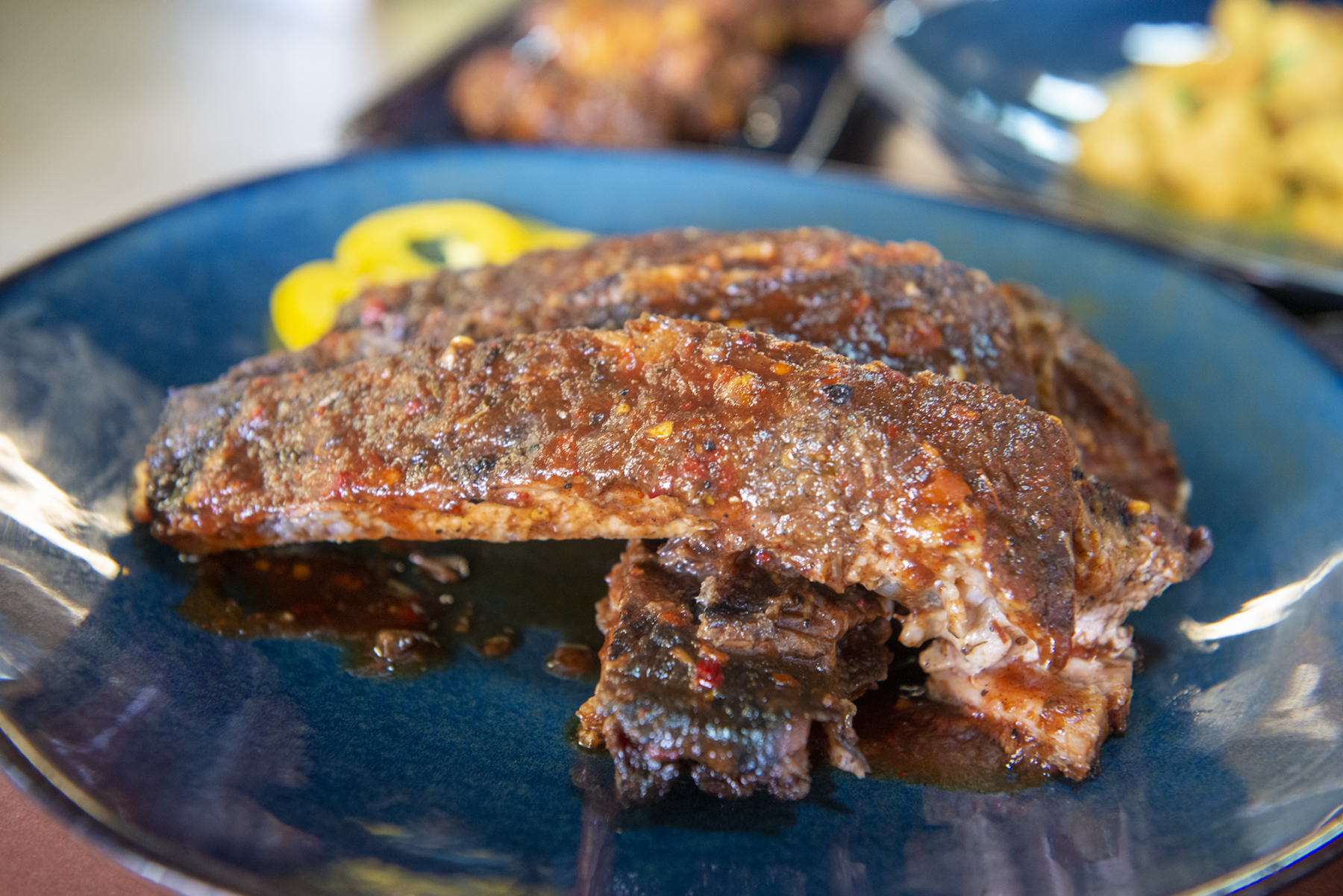
A centennial invites more than celebration. It asks for perspective. When the subject is Caribbean food, a hundred-year lens reveals something richer than a catalog of beloved dishes. It shows how cooking has carried memory across islands, across oceans, and across generations that had to improvise, preserve, and create under pressure. Caribbean cuisine did not arrive fully formed, nor has it stood still. It has evolved in home kitchens, roadside cookshops, market stalls, hotels, shipping ports, cane fields, fishing villages, and city neighborhoods far from the sea.
What makes a Caribbean food centennial worth marking is not just age, but endurance. These traditions have survived colonial extraction, migration, war, hurricanes, changing trade routes, and the flattening effect of tourism marketing, which has often reduced a complex region to a few familiar plates and a rum punch. Yet the real story is broader and more textured. It lives in pepper sauces that differ from parish to parish, in stews whose flavor depends on the cook’s hand more than the written recipe, and in ceremonial dishes that still signal belonging.
Anyone who has spent serious time around Caribbean kitchens knows that recipes often begin before the stove is lit. They start with sorting peas, scaling fish, grating coconut, soaking cassava, trimming callaloo, or choosing the right green banana for the texture you want. They start with judgment. Is the breadfruit ripe enough to roast? Is the goat old and muscular, needing patient heat, or younger and better suited to curry? Has the Scotch bonnet reached that point where its fruity aroma blooms before the heat lands? Those decisions shape the meal as much as any spice blend.
A region, not a single table
One of the first mistakes people make when discussing Caribbean cuisine is speaking about it as if it were one cuisine with a single grammar. The Caribbean is a region of many languages, many colonial histories, many ecological zones, and many migration routes. Jamaican food is not Trinidadian food. Dominican cooking does not mirror that of Barbados. Haiti, Cuba, Puerto Rico, Martinique, Guadeloupe, St. Lucia, Grenada, Guyana, Suriname, and the smaller islands each bring different techniques, crops, and seasonings to the table.
Even within one island, there are distinctions worth respecting. Coastal cooking leans toward fish, shellfish, and salted seafood traditions shaped by preservation needs. Inland cooking often leans harder into provision grounds, root crops, legumes, and stews. Urban centers absorb influence fast, especially from commerce and migration, while rural cooking may preserve older methods longer, including coal pot cooking, pit roasting, or a particular way of smoking and drying ingredients.
That complexity is precisely why a Caribbean food centennial matters. It creates space to honor continuity without pretending uniformity. The region’s culinary excellence comes from many local excellences, some famous, some barely documented outside the communities that keep them alive.
The historical currents in every pot
Caribbean food cannot be understood without history, and not the polished version. The region’s cuisine was shaped by Indigenous agriculture, European colonization, the transatlantic slave trade, indentureship from India and elsewhere, and later migration from China, the Middle East, and neighboring territories. These forces were often violent, unequal, and dislocating. Food became one of the places where people reclaimed agency.
Cassava, maize, peppers, and techniques for working local landscapes long predate colonial rule. African knowledge transformed Caribbean agriculture and cooking in profound ways, from one-pot stewing traditions to the handling of leafy greens, okra, yams, plantains, and methods of seasoning layered over time rather than added all at once. Indian indentured laborers carried spice traditions that now feel inseparable from places like Trinidad and Guyana. Chinese migrants influenced stir-fry habits, seasoning preferences, and retail food culture. European powers introduced livestock, wheat, sugarcane systems, and new trade dynamics, though often at devastating human cost.
The result is not fusion in the casual restaurant sense. It is a deeply rooted regional cuisine built through adaptation. A dish like curry goat tells a historical story. So does Jamaican escovitch fish, with its vinegar-bright profile. So does pelau, where rice, peas, meat, caramelized sugar, coconut milk, and aromatics share one pot. So does callaloo, which means slightly different things depending on where you are, yet everywhere carries ideas of nourishment, thrift, and skill.
What excellence looks like in Caribbean cooking
Culinary excellence is often mistaken for luxury ingredients or elaborate presentation. In the Caribbean tradition, excellence is more often measured by balance, restraint, timing, and resourcefulness. A cook who can turn simple provisions into a meal that tastes complete is doing high-level work. So is the baker who gets the crackle right on a hard dough bread, or the street vendor who fries doubles so the bara stays tender while holding up to chutney and curried channa.
There is also technical precision in dishes people casually call rustic. Rice and peas seems straightforward until you cook it enough times to understand how coconut milk, bean starch, steam control, and resting time affect the final grain. Good jerk is not simply “spicy grilled meat.” It depends on the ratio of pimento, thyme, scallion, Scotch bonnet, salt, smoke, and time. The meat should hold heat, perfume, and depth without turning muddy or aggressively salty.
The same goes for soups and broths. Across the region, soups are often complete meals, not starters. They demand sequencing. Dense provisions go in first. Dumplings need space to swell without breaking apart. Greens and delicate herbs arrive later. Salted meats may require soaking or blanching. A soup that tastes flat usually reveals a rushed hand somewhere in that chain.
In professional kitchens, this kind of cooking is sometimes underestimated because it does not always announce itself as haute cuisine. Yet anyone who has watched a seasoned Caribbean cook work through prep knows how much knowledge is embedded in gesture. The tasting spoon appears often, but so do the eyes, fingers, and nose. Texture is read constantly. Heat levels are adjusted intuitively. The pot is managed, not merely followed.
Signature ingredients, handled with respect
Certain ingredients are so closely associated with Caribbean cooking that they can become shorthand, but shorthand is risky. The ingredient itself matters less than how it is used. Scotch bonnet, for example, is not valuable only for heat. It brings fruitiness, brightness, and a floral top note that changes a stew even when used whole and left unbroken. Allspice, often called pimento in Jamaica, lends warm depth that behaves differently over charcoal than it does in a stovetop braise. Coconut milk can enrich, soften, or overwhelm depending on quantity and cooking time.
Ground provisions deserve the same respect. Yam, cassava, dasheen, sweet potato, eddoes, green banana, and breadfruit are not interchangeable starches. Each behaves differently under boiling, roasting, frying, or mashing. Breadfruit, in particular, rewards attention. Roasted over open flame, it develops a smoky nuttiness and a dry, chestnut-like texture. Boiled, it can turn pleasant or disappointing depending on ripeness and timing. Many great Caribbean meals turn on decisions that seem small from the outside.
Fish preparation offers caribbean food centennial another clear example. In several islands, the difference between a passable fried fish and an excellent one often lies in drying the fish properly before seasoning, cutting the slits at the right depth, and letting the oil recover temperature between batches. Too much moisture and you lose crispness. Too little seasoning penetration and the flesh tastes blank under a bold exterior. A competent cook manages both.
The dishes that carry the century
No single menu could represent a hundred years of Caribbean culinary excellence, but some dishes repeatedly surface because they carry both history and skill. Jerk pork and jerk chicken remain central not only because they are famous, but because they express a complete philosophy of seasoning and smoke. Pepperpot in Guyana and beyond is a reminder that preservation, spice, and celebration have long been intertwined. Ackee and saltfish speaks to trade, adaptation, and the transformation of preserved ingredients into something elegant.
Roti deserves special attention. It is sometimes discussed as a snack, sometimes as street food, sometimes as comfort food. In reality, it is one of the clearest examples of Caribbean culinary intelligence. The flatbread itself demands practice, especially if you want softness without gumminess. The fillings, whether curried chicken, goat, shrimp, channa, or potato, must be moist enough to eat well but dry enough not to tear the wrap apart. A truly good roti is a lesson in balance.
Then there are dishes that live powerfully in memory even when they are less visible abroad. Oil down in Grenada, with breadfruit, salted meat, coconut milk, dumplings, and turmeric, is abundant but carefully structured. Cou-cou and flying fish in Barbados hinges on timing and texture. Souse, found in several forms across the region, depends on acid, spice, freshness, and chilling. Jamaican mannish water, Trinidadian corn soup, Haitian griot, Cuban ropa vieja, Puerto Rican mofongo, and Dominican sancocho each show a different facet of what the Caribbean table can do.
A centennial worth its name should recognize both the flagship dishes and the ones that remain deeply local. Fame is not the same as importance.
Street food, ceremony, and the everyday meal
One reason Caribbean cuisine remains so dynamic is that it thrives in multiple settings at once. There is ceremonial food, prepared for weddings, wakes, Christmas, Easter, Carnival, Eid, Divali, and harvest gatherings. There is street food, fast and vivid, built for appetite and movement. Then there is the everyday meal, perhaps the most important category of all, because it is where tradition survives without performance.
The ceremonial table often shows a community at full stretch. More labor, more dishes, more guests, more argument about what counts as authentic. Holiday black cake, sorrel, great pans of baked macaroni pie, ham glazed and studded, stewed peas, stuffed fish, cassareep-darkened stews, and spiced drinks all have their place depending on the island and the occasion. These meals are rarely just about feeding people. They mark continuity. They announce who has come home, who is missing, and which elder still insists the younger cooks are rushing the browning.
Street food, by contrast, often reveals innovation first. Vendors adapt quickly to shifting tastes, supply costs, and foot traffic. A doubles vendor knows exactly how much pepper a regular customer means when asking for “slight.” A patty shop understands how crust texture determines repeat business. A grill man selling jerk late into the night learns more about public preference in a week than some formal restaurants do in a year. Street food also keeps prices within reach, which matters deeply in a region where imported goods, fuel, and climate shocks can strain household budgets.
Everyday food sits between those two worlds. It may not travel on tourism brochures, but it tells the truth. Stewed chicken, rice, peas or lentils, sautéed cabbage, fried plantain, boiled green fig, saltfish buljol, pumpkin rice, soup on Saturdays, leftovers turned into something new on Monday, these patterns reveal how people actually eat and how they maintain flavor under real constraints.
Diaspora kitchens changed the map
Any honest account of a Caribbean food centennial must include migration. Caribbean food has expanded and transformed in London, Toronto, New York, Miami, Amsterdam, and many other cities. Diaspora kitchens preserved recipes that might otherwise have narrowed under modernization at home, yet they also changed those recipes through ingredient availability, cost, and local demand.
Saltfish might come from a different supplier. Scotch bonnets might be harder to source at the right ripeness. Callaloo leaves may be replaced with spinach in some households, reluctantly or creatively. Goat prices in major cities can push cooks toward chicken or beef. At the same time, diaspora communities have built strong food economies around bakeries, rum shops, restaurants, takeaways, and catering businesses that transmit taste across generations.
There is always a debate about authenticity, and some of that debate is useful. Standards matter. Not every adaptation works. But authenticity in Caribbean cooking has never meant rigidity. It has meant faithfulness to core flavor principles, memory, and purpose. A cook in Brooklyn using available greens to approximate a grandmother’s soup is participating in the tradition, not betraying it. The judgment lies in whether the adaptation is thoughtful and whether the final dish still speaks clearly.
Why preservation matters now
The next hundred years will not look like the last hundred. Climate pressure is already affecting fisheries, rainfall patterns, crop yields, and food prices across the region. Tourism can create opportunity, but it can also distort local food systems when menus are designed to flatter visitor expectations rather than preserve culinary truth. Younger cooks are inheriting strong traditions, yet they are doing so in economies shaped by migration, urbanization, and imported processed food.
Some parts of the culinary record are especially vulnerable. Oral recipes disappear when elders pass without teaching. Traditional varieties of produce may become harder to find. Slow techniques can fade when fuel prices rise and time becomes scarcer. Certain community dishes survive only if enough people still know when and why to make them.
A serious centennial celebration should therefore go beyond nostalgia. It should invest in transmission. That means documenting techniques, supporting local farmers and fishers, teaching culinary history in ways that are accurate and unsentimental, and creating room for younger chefs to innovate without severing the roots.
A practical preservation agenda could include the following:
- Recording home cooks and market vendors while they work, not just collecting polished recipes.
- Supporting schools and culinary programs that teach regional ingredients with historical context.
- Protecting local supply chains for fish, spices, root crops, and traditional greens.
- Encouraging restaurants to name dishes precisely rather than marketing everything under a generic Caribbean label.
- Funding festivals and archives that center community cooks, not only celebrity chefs.
None of this requires freezing cuisine in place. Preservation should not become a museum instinct. Living food has to move.
The modern Caribbean table
Contemporary Caribbean chefs are doing some of their most interesting work by narrowing their focus, not caribbean food centennial broadening it. Instead of making a little bit of everything, they are taking one tradition seriously and asking what else it can do. That might mean rethinking cassava beyond chips, using breadfruit flour in sophisticated baking, spotlighting underused fish species, or refining old techniques for new dining rooms without stripping the dishes of character.
There is also growing interest in health, sustainability, and indigenous ingredients, though these terms can be used lazily. The best versions of this movement are not trend-driven. They recognize that many Caribbean foodways were already plant-forward, seasonally responsive, and attentive to waste long before those ideas became fashionable in global food media. Soups stretched protein. Stews respected tougher cuts. Peels, bones, and scraps often had secondary uses. Coconut was used nose-to-tail, so to speak, from milk to oil to grated flesh.
At the same time, modern kitchens face trade-offs that older cooks may not have faced in the same way. Diners increasingly want lighter textures, less oil, lower sodium, and shorter wait times. Some traditional dishes resist those demands. If you reduce fat too aggressively in a coconut-based dish, you may lose body and flavor. If you rush a braise, collagen never develops. If you tone down pepper indiscriminately, the dish can lose its architecture, not just its heat. Skilled adaptation requires understanding what is essential and what is flexible.
Excellence is communal
Perhaps the most distinctive feature of Caribbean culinary excellence is that it remains deeply communal. Prestige matters less than participation. The food tastes better because many hands are often involved. Someone is peeling. Someone is grinding seasoning. Someone is watching the fire. Someone older is tasting and pronouncing judgment. Someone younger is learning by repetition, often without realizing that apprenticeship is underway.
That communal quality also explains why memory around Caribbean food is so vivid. People remember the smell of pimento smoke from a roadside drum. They remember the specific softness of a grandmother’s dumplings, the sting of homemade pepper sauce, the sound of bubbling coconut milk, the Sunday rhythm of rice, stew, and washing up. Great cuisines lodge in memory through repetition, and Caribbean food does this exceptionally well.
A Caribbean food centennial is not just about honoring famous recipes. It is about recognizing a century of craft held in ordinary places, by people who may never call themselves culinary professionals yet possess formidable expertise. It is about acknowledging that excellence can live in a beachside fish fry, a temple feast, a Christmas barrel unpacked in a foreign winter, a market basket full of provisions, or a pot that has been cooking since dawn.
The next hundred years will depend on whether the region continues to value that knowledge at its source. If it does, Caribbean cuisine will keep doing what it has always done, absorbing change without losing its accent, feeding people with authority, and turning history into flavor. That is not merely survival. It is mastery.
Reggae Pot Jamaican Grill
Address: 7562 S University Blvd Unit C, Centennial, CO 80122
Phone: (303) 997-5623
FAQ About caribbean food centennial
What Jamaican dishes can I try in Centennial?
Reggae Pot Jamaican Grill serves Jamaican specialties such as jerk chicken, stewed oxtail, curry goat, and ackee and saltfish. Check the current menu for availability.
What is ackee and saltfish?
It is Jamaica’s national dish. The restaurant prepares ackee with salted cod, onions, thyme, tomatoes, garlic, black pepper, and pimento.
Can I order Jamaican food for pickup in Centennial?
Yes. Choose the Centennial location at 7562 S University Blvd Unit C when placing a takeout order.